Apple Plans Major MacBook and iPad Redesigns / Zuckerberg's Compute Sales Hit Semiconductors / Kling AI Raises $3 Billion
TL;DR
Apple may prepare a major 2027 hardware cycle with redesigned MacBook Pro and iPad Pro models plus M7 chips, Meta's AI compute sales plan shakes semiconductor stocks, and Kling AI raises $3 billion.
🍎 Apple is expected to have a major product year in 2027, with new MacBook Pro and iPad Pro models plus the M7 chip.
🚀 Musk denies SpaceX is developing an AI phone, calling prototype reports "completely false".
📱 Huawei HarmonyOS 6 device count has surpassed 70 million.
🎮 Nintendo responds to the 10% companywide pay raise rumor: that was old news from 2023.
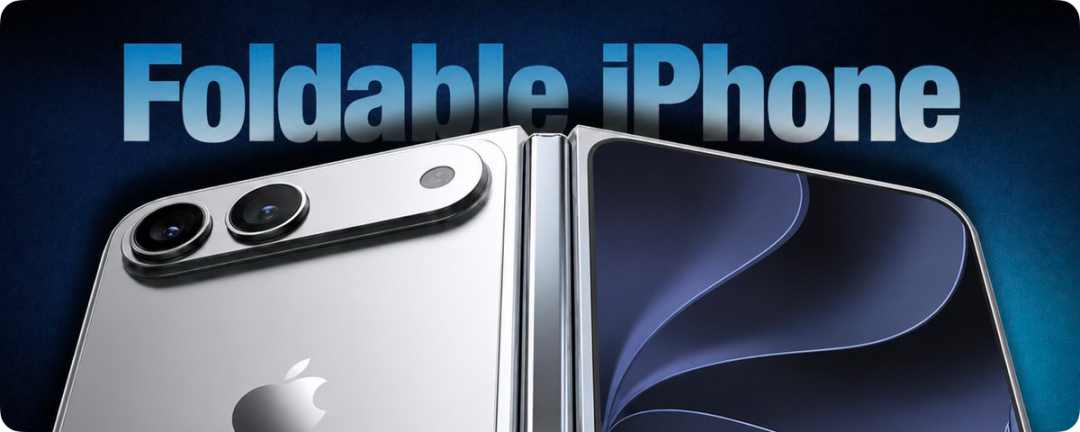
📱 Counterpoint expects Apple's first foldable iPhone to account for 29% of foldable panel procurement.
🌐 Zuckerberg announces compute sales, triggering a semiconductor selloff.
🚀 Unitree Robotics receives IPO registration approval and plans to list on the STAR Market.
🧠 SK Hynix plans to invest about $51.4 billion in a new NAND factory.
🚗 Mercedes-Benz China creates a new department to avoid repeating the CLA misstep.
🚙 China's first mandatory national standard for L2 driver assistance is released; hands-off and eyes-off driving will be forcibly disabled.
🚗 Chery launches a Rhino Battery safety guarantee plan, promising a replacement vehicle if battery thermal runaway destroys the car.
🧠 Li Auto's M100 chip paper is accepted into the ISCA 2026 industry track.
🤖 Kling AI raises $3 billion from Tencent, Alibaba, Baidu and others, reaching an 18 billion yuan valuation.
🦿 JoyIn completes a nearly 500 million yuan Pre-A round and launches its home embodied-intelligence brand Zeroth.
💡 Palantir CEO criticizes token billing, saying enterprises need ownership of the means of production.
📱 Alipay's Abao opens public beta, covering 72 life-service and administrative scenarios.
☁️ Alibaba Cloud Meoo launches a Night Plan, cutting Qwen 3.7-Max costs by up to 80%.
🔍 OpenAI's new GeneBench-Pro benchmark stumps top AI models, with accuracy around only 30%.
🤖 Ramp Labs releases PorTAL, a cross-model adaptation framework that avoids retraining when switching base models.
💻 Gemini Spark arrives on macOS and can take over local files and desktop tasks.
🛍️ Chagee responds to a zero-yuan coupon exploit in its mini program: it was a configuration error and abnormal orders will be canceled.
Apple is expected to have a major product year in 2027, with new MacBook Pro and iPad Pro models plus the M7 chip

According to Bloomberg, Apple plans to release multiple new hardware products in the first half of next year as it prepares for the 20th anniversary of the iPhone.
On the product side, Apple is testing four new iPad Pro models, keeping the 11-inch and 13-inch screen sizes while focusing on internal performance upgrades and potentially adding a vapor-chamber cooling system. A new 14-inch entry-level MacBook Pro, code-named K104, is also expected in the first half of next year with a redesigned exterior.
Apple's core chip roadmap is also accelerating. The company may launch the M7 processor as early as the first half of next year, with the goal of shortening iteration cycles and improving support for AI workloads.
Apple is also expected to release the second-generation iPhone Air and the entry-level iPhone 18 in the first half of next year. Around the 20th anniversary, Apple also plans a commemorative iPhone, a second-generation foldable iPhone, its first smart glasses, and new smart-home devices.
Musk denies SpaceX is developing an AI phone, calling prototype reports "completely false"

Yesterday, Elon Musk responded on X to a rumor that SpaceX had recently shown investors a phone-like AI hardware prototype, saying the report was "completely false".
The Wall Street Journal previously reported that before SpaceX began work toward a record IPO in June, it showed some investors a hardware prototype intended to reshape AI interaction. The device was said to be thinner than Apple's iPhone, use a Qualcomm Snapdragon chip, and run a proprietary operating system integrated with xAI technology.
The report said Musk's long-term vision is to own a consumer platform that can carry technologies from his companies and reduce dependence on external app stores.
The Verge noted that Musk has repeatedly rejected the idea of making a phone, once saying the thought made him "want to die", and in February said clearly that SpaceX was "not developing a phone".
Facing a memory shortage, Apple reportedly asks suppliers to stock shared components for the iPhone 18 series early
According to Cailian Press, as the global consumer electronics industry faces a shortage of memory components, Apple is moving against the cycle by asking suppliers to raise production expectations and secure more market share.
People familiar with the matter said Apple has asked suppliers to prepare for production of around 10 million foldable iPhones this year, higher than the earlier estimate of 7 million to 8 million units.
Apple has already booked components for 80 million devices tied to its first foldable model and the iPhone 18 Pro series planned for the second half of 2026. The latest information suggests Apple has told some suppliers that second-half production of new iPhones could reach 85 million units.
Apple is also working to secure component supply by asking suppliers to prepare conventional chips and parts shared with the iPhone 17 series for the upcoming high-end iPhone 18 lineup.
Huawei HarmonyOS 6 device count surpasses 70 million

Huawei's HarmonyOS operating system account announced that HarmonyOS 6 has surpassed 70 million terminal devices.
Huawei previously disclosed that OpenHarmony ecosystem devices exceed 1.3 billion, global developers exceed 11 million, and HarmonyOS apps and services exceed 380,000. Richard Yu said in June that HarmonyOS has become China's second-largest mobile operating system.
Nintendo responds to the 10% companywide pay raise rumor: old news from 2023

According to Nintendo Everything, Nintendo has responded to earlier reports claiming a 10% pay raise for all employees, clarifying that the increase was implemented in 2023 and is not a new move.
The confusion came from an incomplete summary of remarks by global president Shuntaro Furukawa at a shareholders' meeting. In the latest explanation, Furukawa described Nintendo's compensation philosophy, saying the company prefers to set appropriate wage levels in response to industry trends and broader social conditions.
He said wages are the basis of employees' livelihoods. If pay fluctuates sharply with performance, employees will struggle to work with confidence. Maintaining appropriate compensation is therefore important for creating an environment where employees can take on creative entertainment challenges without fear of failure.
Counterpoint expects Apple's first foldable iPhone to account for 29% of foldable panel procurement
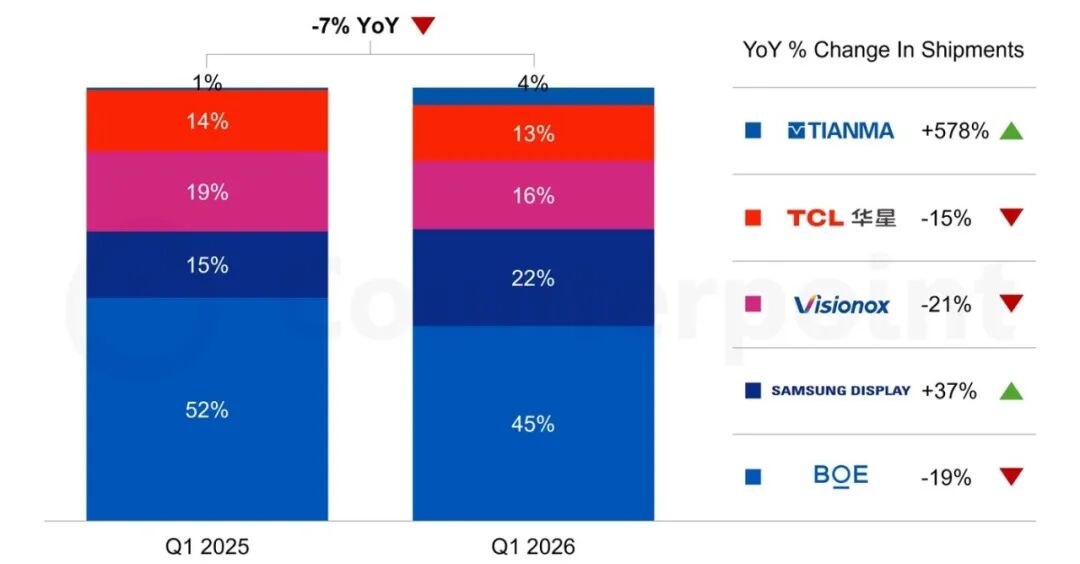
Counterpoint Research released a report yesterday estimating that after Apple's first foldable iPhone launches, it will account for about 29% of global foldable-smartphone panel procurement in 2026.
The report expects global foldable smartphone panel shipments to reach about 27.5 million units in 2026, up about 24% year over year. Shipment value is expected to reach about $4.4 billion, up about 48%. By brand procurement share, Samsung is expected to remain first at about 31%, Apple could reach about 29% in its first year, and Huawei about 24%.
Counterpoint believes the rebound will be concentrated in the second half of the year, with the third and fourth quarters accounting for about 64% of annual shipments. It also believes Apple's entry will expand the market and shift competition toward larger horizontal inward-folding products with higher average selling prices, greater reliability, and smaller creases.
Zuckerberg announces compute sales, triggering a semiconductor selloff
According to Bloomberg, people familiar with the matter said Meta is preparing a cloud infrastructure business that would sell excess internal AI computing capacity to external customers for revenue.
The service would not only provide access to underlying compute, but also include commercial use of Meta's related AI models.
To support its large AI strategy, Meta has recently been investing heavily and securing expensive data-center and infrastructure resources.
The report says Meta is betting on a data-center project in Louisiana with a total investment of up to $20 billion, providing the hardware foundation for its large compute reserves and future cloud service.
The news caused a major split in U.S. equities.
At the close in the early hours of July 2, Meta's shares rose 8.81%, while independent cloud-computing providers that are both its compute suppliers and potential competitors were heavily sold off. Nebius and CoreWeave fell more than 14.5% and 13%, respectively. Semiconductor and memory stocks also shook as the market worried that the tech giants' compute arms race could cool.
The Philadelphia Semiconductor Index plunged more than 6%. Memory giant Micron fell 10.57%, SanDisk fell more than 11%, and Intel, ASML, AMD, TSMC and other core supply-chain companies all fell more than 5%.
Unitree Robotics receives IPO registration approval and plans to list on the STAR Market
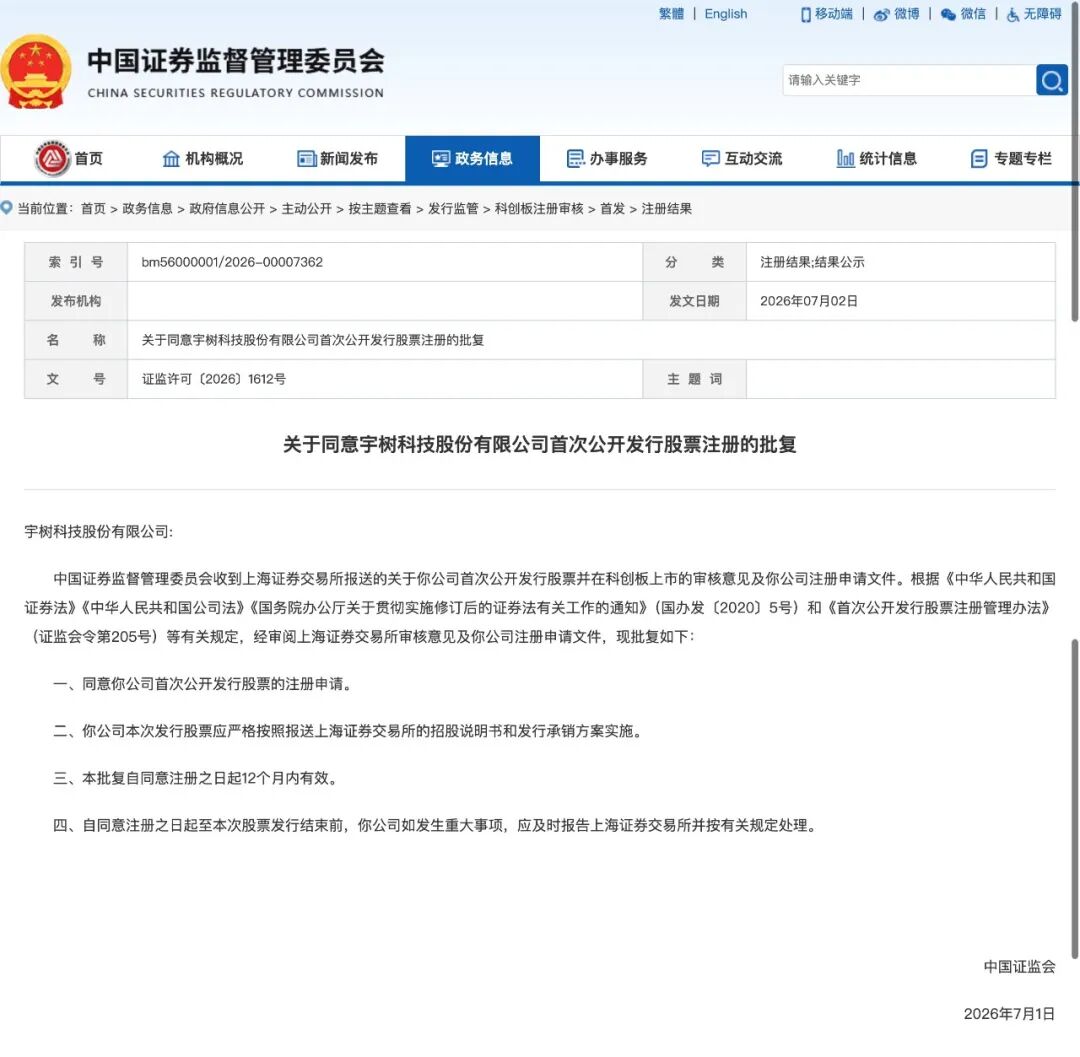
China's securities regulator announced yesterday that it has approved Unitree Robotics' registration application for an initial public offering and listing on the STAR Market.
The approval document states that Unitree's share issuance must be carried out strictly according to the prospectus and underwriting plan submitted to the Shanghai Stock Exchange. The approval means Unitree has entered the final stage before listing.
SK Hynix plans to invest about $51.4 billion in a new NAND factory
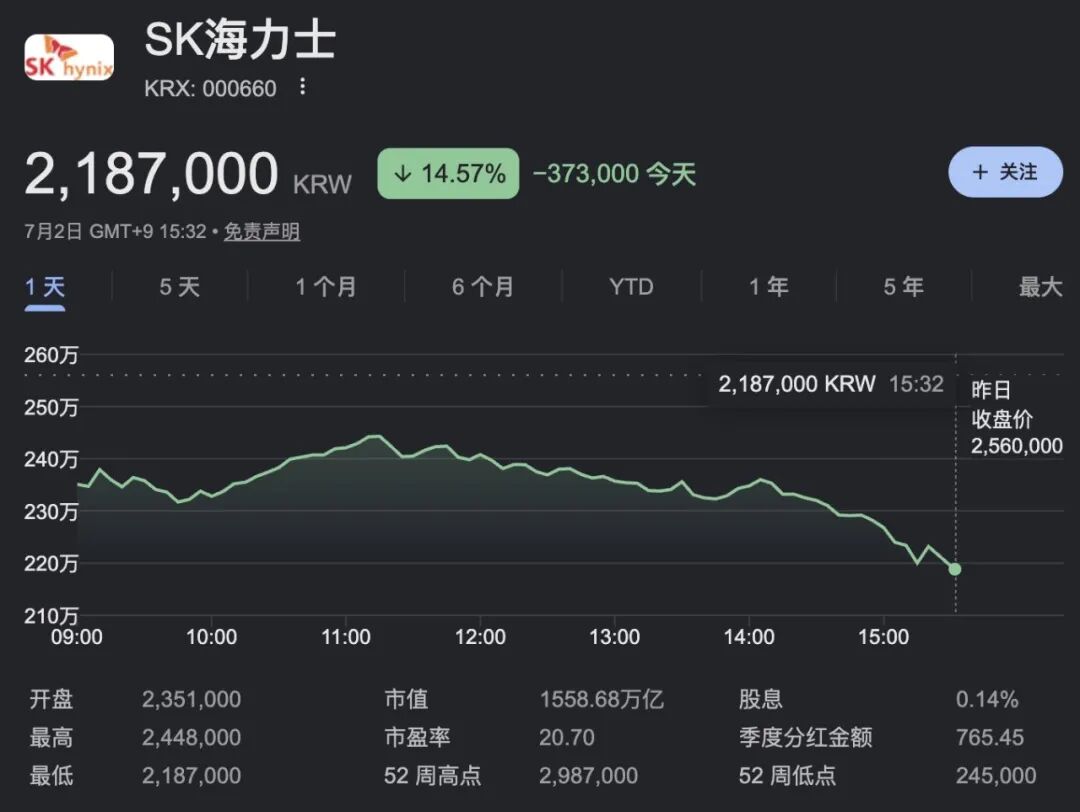
According to Reuters, SK Hynix said yesterday it plans to invest 80 trillion won, or about $51.46 billion, to build a new NAND memory-chip factory, M17, in Cheongju, South Korea. According to the company's plan, construction will begin next year and the plant is targeted for completion by 2029.
SK Hynix shares also saw sharp intraday volatility yesterday, wiping out about $160 billion in market value.
The stock closed at 2,187,000 won, down 14.57% from the previous session. Samsung Electronics also fell more than 9%, while Micron fell 10.57%. The broad semiconductor selloff erased hundreds of billions of dollars in market value from large Asian technology companies.
Mercedes-Benz China creates a new department to avoid repeating the CLA misstep

According to Auto Pixel, Mercedes-Benz China's sales organization has recently adjusted its structure and created a new department called Go to Market, or GTM. The department is currently recruiting internally.
People familiar with the matter said the new GTM unit is a third-level department, but will report directly to Daniel Lescow, who became president and CEO of Mercedes-Benz Sales China in March. The department is expected to be led by Wang Jiangchuan, a former executive assistant to the CEO, and is currently recruiting internally.
Its core role is to serve as a product coordination hub, addressing system breaks from product definition and pricing strategy to production scheduling and channel conversion, and building an early-stage coordination mechanism to prevent mistakes.
The report says the restructuring directly responds to recent market feedback on Mercedes-Benz's new-energy vehicles in China.
For example, the all-new electric CLA based on the MMA platform included localized adaptations such as end-to-end assisted driving and large-model integration, and cut its starting price to 229,000 yuan. Yet according to China Passenger Car Association data, sales fell to 21 units in February and reached only 161 units in May.
The GTM department is meant to fill gaps in local-market insight and end-to-end system coordination, preventing future product strategies from disconnecting from the Chinese market.
China's first mandatory national standard for L2 driver assistance is released
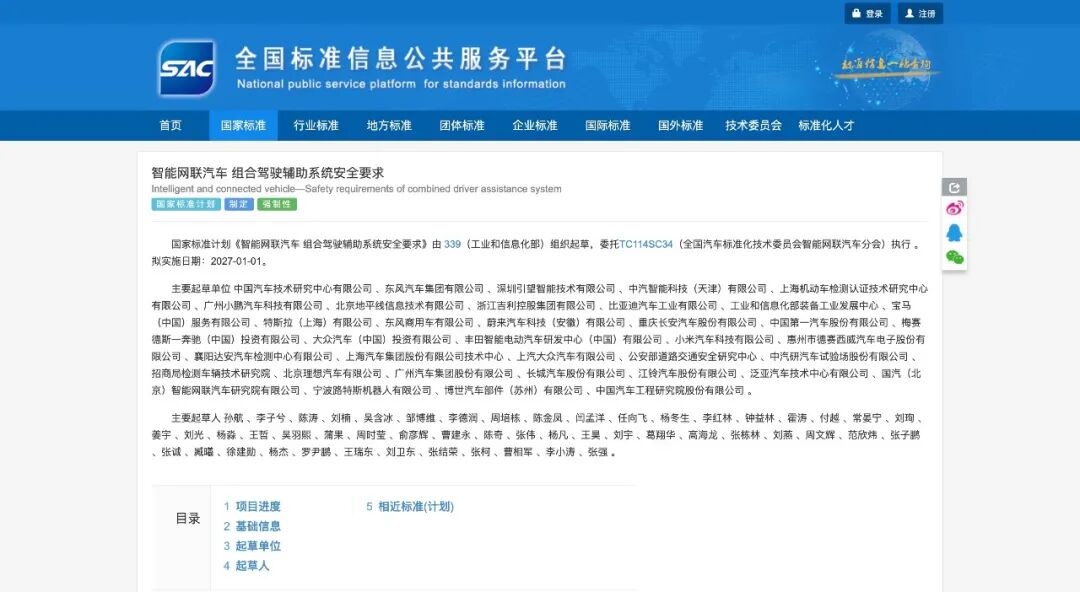
China's Ministry of Industry and Information Technology yesterday officially released the mandatory national standard Safety Requirements for Combined Driver Assistance Systems of Intelligent Connected Vehicles, GB 47955-2026. The standard is scheduled to take effect on January 1, 2027.
It is China's first mandatory national standard for L2 driver assistance, filling a gap in safety regulation for the field. Industry leaders including Huawei, Xiaomi and BYD participated in drafting the standard.
The standard defines safety indicators for L2 combined driver assistance systems. For hand-off detection, if both hands leave the steering wheel for five seconds, the system must issue a prompt; if the driver does not hold the wheel after the prompt, the warning escalates.
For eyes-off detection, if the system detects that the driver's gaze has deviated, it must issue a reminder within five seconds. If the gaze has still not returned after another five seconds, an immediate control warning is triggered.
For drivers who fail to respond to warnings in time, the new standard introduces a penalty mechanism. If the driver still does not take over within 10 seconds after a warning is triggered, the system must activate risk mitigation and actively seek a safe place to stop.
If risk mitigation is triggered, or if upgraded warnings are triggered multiple times within 30 minutes, the system must be disabled for 30 minutes.
Chery launches a Rhino Battery safety guarantee plan
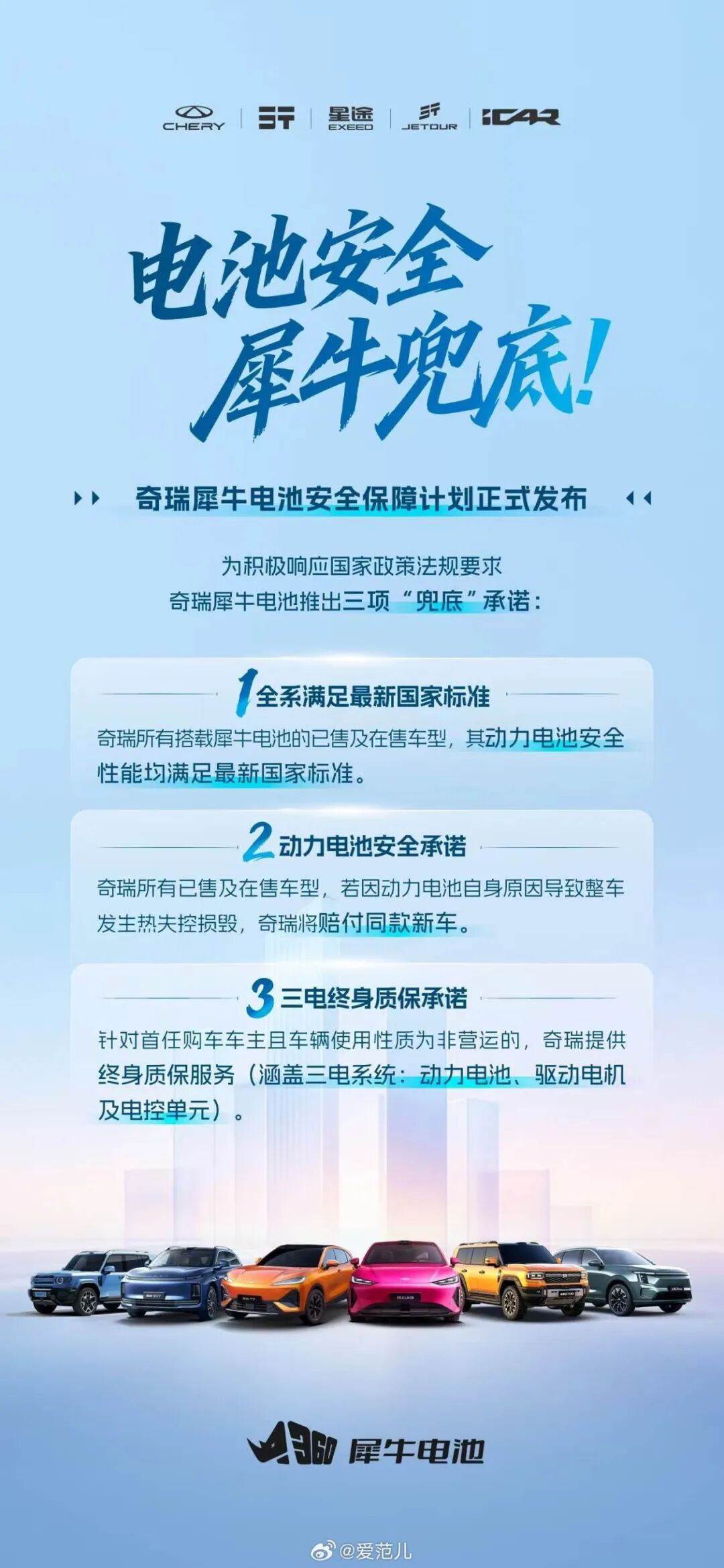
Chery Automobile yesterday officially launched its Rhino Battery safety guarantee plan, offering three safety commitments for sold and on-sale vehicles equipped with Rhino Battery. The plan responds to mandatory national standards such as Safety Requirements for Power Batteries for Electric Vehicles, GB 38031-2025, which took effect on July 1 this year.
All sold and on-sale Chery vehicles equipped with Rhino Battery meet the latest national standards for power-battery safety.
If a whole vehicle is destroyed by thermal runaway caused by the power battery itself, Chery will compensate the owner with a new vehicle of the same model.
For first owners of non-commercial vehicles, Chery provides lifetime warranty coverage for the battery, drive motor and electronic control unit.
The guarantee extends "safety backstop" coverage to already-sold vehicles, showing that automakers' focus on battery safety is moving beyond technical parameter tests toward vehicle-level coordination, quality control, and after-sales responsibility.
In an industry where thermal runaway is often included in liability exemptions, this move suggests battery-safety competition has entered a new stage defined by standards, accountability and user protection.
Li Auto's M100 chip paper is accepted into the ISCA 2026 industry track
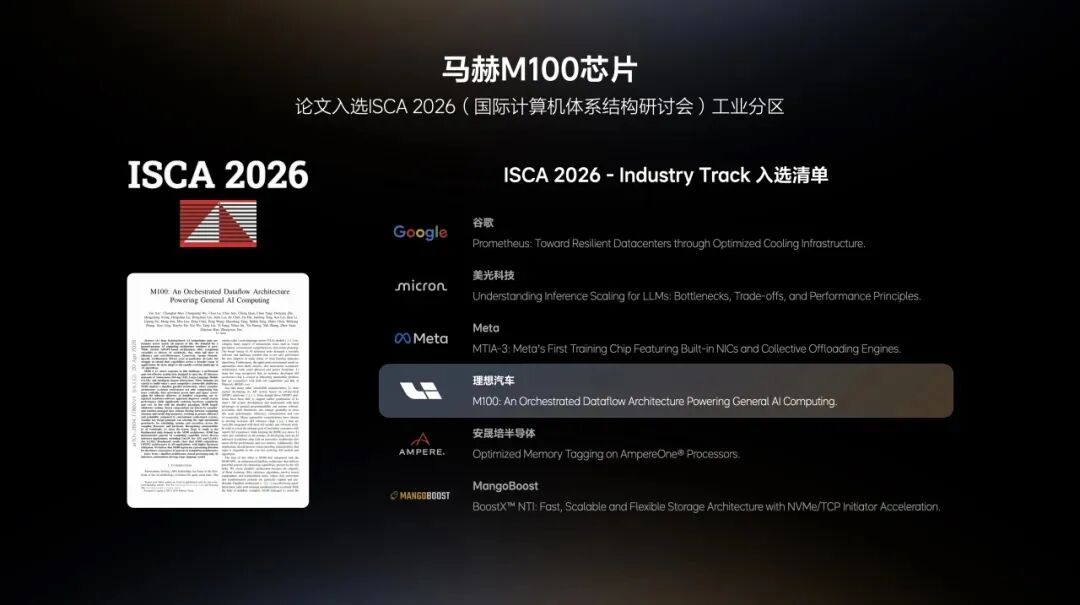
Li Auto announced yesterday that its team will present at ISCA 2026 with a talk titled "Mach M100: An Orchestrated Dataflow Architecture for General AI Computing", sharing the stage with researchers from Google, Meta and others.
ISCA is one of the top conferences in computer architecture, alongside MICRO, HPCA and ASPLOS. Li Auto says it is the first Chinese automaker to be accepted into the industry track since that track was created in 2020.
Li Auto says the Mach M100 has entered mass production with the all-new Li L9 and Li L8. Over the past three years, Li Auto has published more than 50 papers in areas such as embodied perception, foundation models, inference chips and operating systems, with papers accepted by ICCV, CVPR, ECCV, ICML and ICRA.
Kling AI raises $3 billion from Tencent, Alibaba, Baidu and others
According to Leidi, Kling AI, Kuaishou's video-generation large model, has raised $3 billion, reaching a post-money valuation of 18 billion yuan.
The round was jointly led by CPE Yuanfeng, Guofang Venture Capital, BlueFive, Tencent, Zhongguancun Science City Fund and CITIC Securities. Industrial investors including Alibaba Cloud and Baidu, as well as entertainment-sector investors such as Huace Film & TV and Mango, also participated.
JoyIn completes a nearly 500 million yuan Pre-A round and launches Zeroth

JoyIn announced that it recently completed a nearly 500 million yuan Pre-A financing round and launched the home embodied-intelligence brand Zeroth. The company says its cumulative financing has reached 1 billion yuan since it was founded a year and a half ago.
The round was led by Ant Group, with follow-on investment from Geely Capital, 37 Interactive Entertainment, Yuanhe Puhua and other industrial and institutional investors. Existing shareholder Monolith continued to invest. The funding will support six core self-developed technologies, talent acquisition and global market expansion.
JoyIn also disclosed that orders for its home embodied-intelligence products have exceeded 30,000 units, covering smart homes, preschool education, pet companionship and other scenarios. First-half 2026 revenue increased 600% year over year.
The new Zeroth brand previewed two home embodied-intelligence products: the full-size humanoid robot Jupiter, and the home-collaboration robot N1.
Palantir CEO criticizes token billing: enterprises need ownership of the means of production
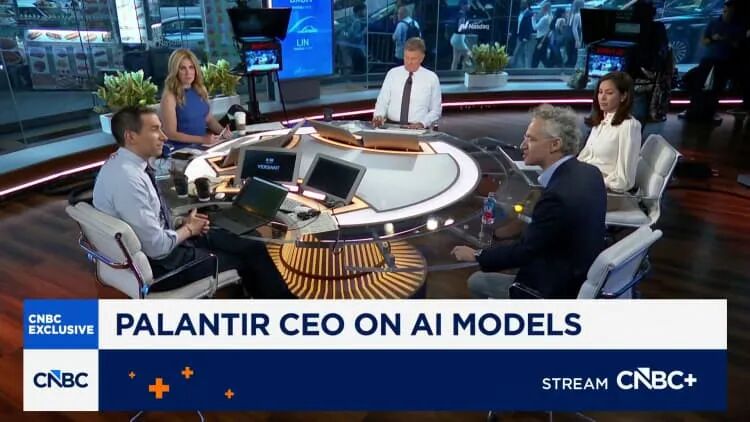
According to CNBC, Palantir CEO Alex Karp sharply criticized the token-based billing model used by AI labs such as OpenAI and Anthropic, saying the structure is facing serious problems.
Karp said that as AI usage costs soar, enterprises are becoming increasingly frustrated with this "tokenmaxxing" business model.
He believes that as new models become more expensive than previous versions, companies are shifting from chasing token volume toward return on investment. This shift is pushing some enterprises to adopt open-weight models, because they can complete similar tasks at very low cost.
Karp said Palantir's open-source approach with Nvidia is the answer, because technical customers want full control over compute, models and the data stack.
They want to know that they own the means of production, instead of handing those means over to someone else.
Palantir previously posted a nine-point manifesto on X about the importance of AI sovereignty, clearly opposing token billing and encouraging enterprises to maintain ownership of their data.
Karp also warned that the industry should not underestimate China's speed of progress in AI models. More business units are moving from using general AI models to building and training more efficient proprietary tools.
Alipay's Abao opens public beta, covering 72 life-service scenarios

Alipay's life-service agent Abao opened public beta yesterday. iOS and Android users can search for "Abao" or "Ant Abao" inside the Alipay app to try it without an invitation code.
Alipay positions Abao as an entry point for life services. Its official list of 72 selected skills covers home services, travel queries, group-buying discounts, express delivery, social security and housing fund services, certificate handling, bill analysis, transfers, companionship chat, learning and fitness.
Alibaba Cloud Meoo launches a Night Plan
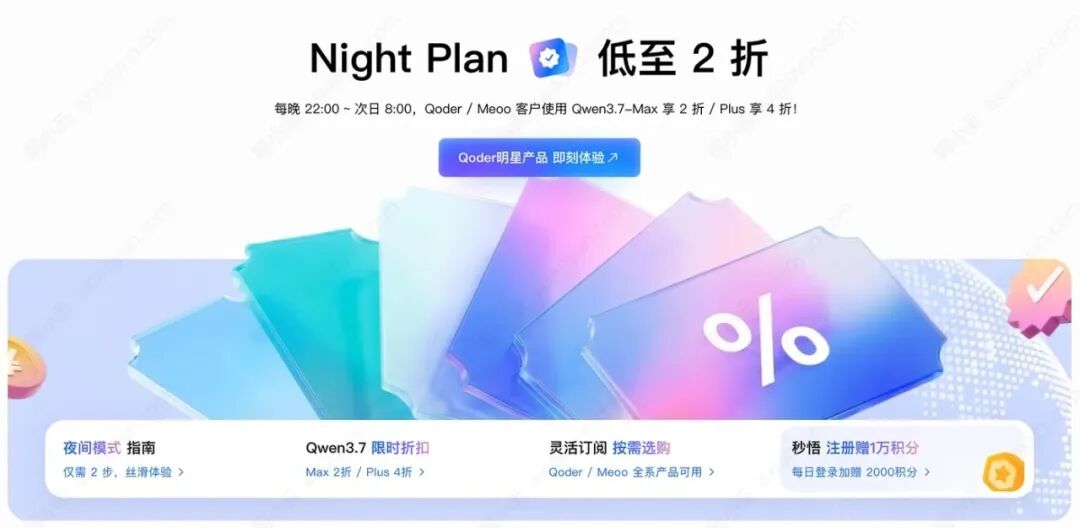
Alibaba Cloud yesterday announced the Night Plan for Meoo. From 22:00 to 08:00 Beijing time, Pro and Max plan users can receive large off-peak discounts when using designated models on the meoo.com web app.
During the off-peak period, calls to flagship model Qwen 3.7-Max cost as little as 20% of the normal price, while Qwen 3.7-Plus can be as low as 40%. The system automatically calculates the discount based on request time and deducts package credits proportionally, with no manual switching required.
Alibaba Cloud says the plan is designed to encourage users to schedule complex AI tasks during nighttime periods when compute resources are relatively abundant, achieving up to 80% cost savings.
The discount is currently only available to Pro and Max paid-plan users. Free-plan users and users who have only bought credits are not supported.
OpenAI's GeneBench-Pro benchmark stumps top AI models
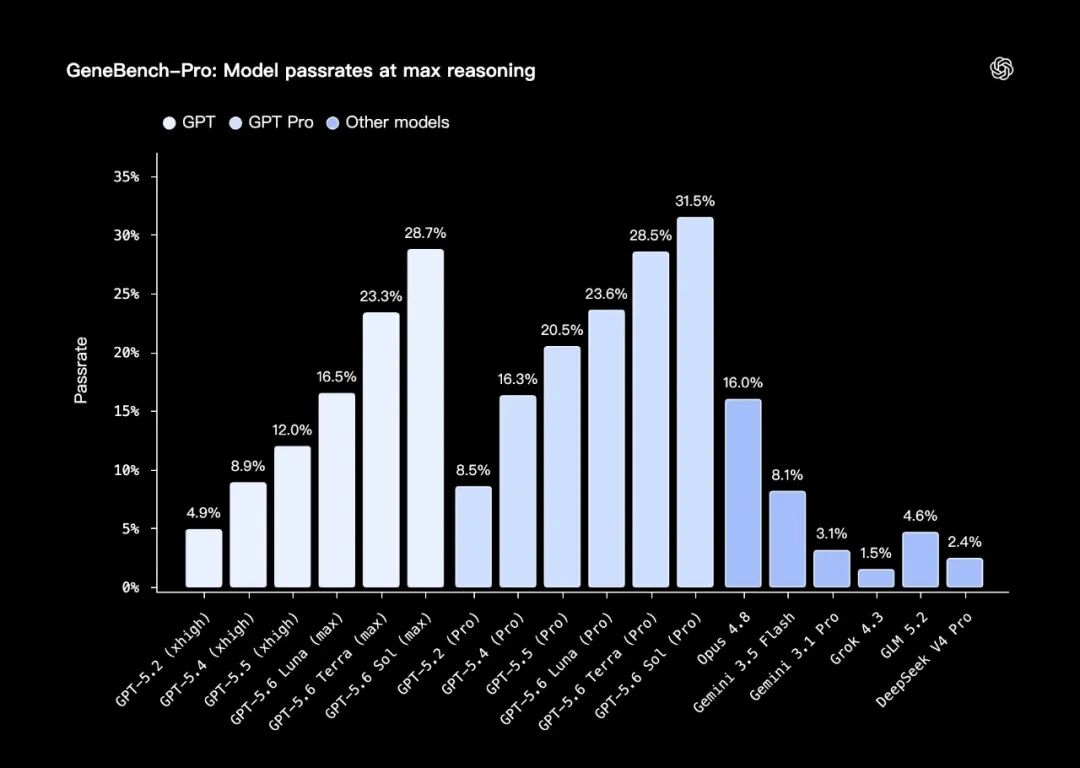
OpenAI recently released GeneBench-Pro, an AI benchmark for computational biology designed to test AI agents' decision-making ability in complex scientific scenarios involving genes and medicine.
The benchmark includes 129 expert questions. By simulating real scientific experimental data, it asks AI systems to handle data noise, correct analysis direction and reach conclusions like researchers. To ensure realism, OpenAI invited several external experts to review the tasks and used synthetic data to prevent models from taking shortcuts.
Results show that top AI models still face major challenges in deep scientific tasks. OpenAI's strongest GPT-5.6 Sol model reaches only 31.5% accuracy in Pro mode, while Claude Opus 4.8 reaches only 16.0%.
Ramp Labs releases PorTAL, a cross-model adaptation framework
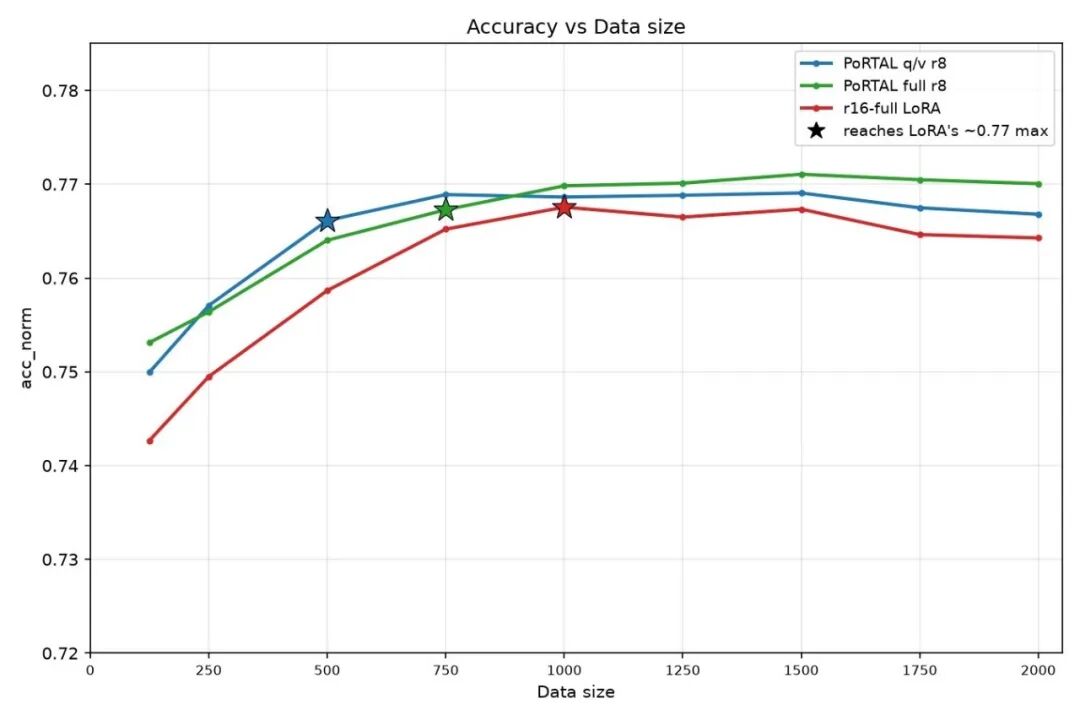
Ramp Labs, the AI lab under fintech unicorn Ramp, yesterday released PorTAL, a cross-model adaptation framework designed to solve the problem that fine-tuning results are hard to preserve across frequent large-model updates. It allows developers to migrate fine-tuned capabilities quickly when changing the base model, without retraining.
Experiments show that PorTAL can keep the task's latent representation and core decoder frozen during migration, cutting both compute cost and required data roughly in half. In tests on the Qwen3 model family, it restored about 94% to 98% of the accuracy gains from standard LoRA.
In cross-family tests, migrating from Qwen3 to Gemma-3 also restored about 94% of the performance improvement. PorTAL also showed better generalization and calibration than training LoRA from scratch across different data scales.
Gemini Spark arrives on macOS and can take over local files and desktop tasks
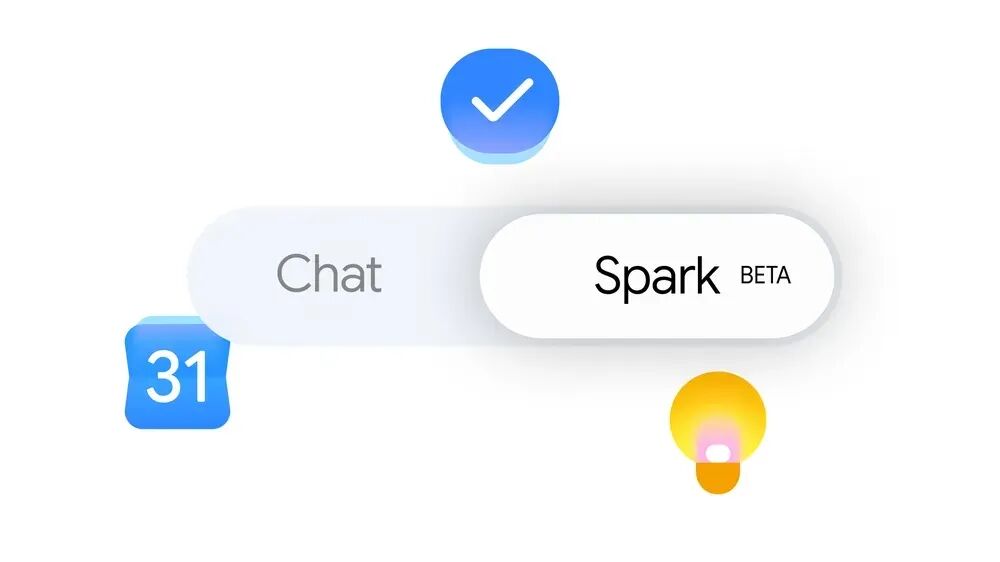
Google announced that Gemini Spark has begun rolling out inside the Gemini macOS app, providing automation for desktop files and local apps. This is Spark's first move from web and mobile into the desktop.
Google's examples include asking Spark to sort PDFs in the Downloads folder into different folders by category; reading local invoice files and generating a budget spreadsheet; and connecting desktop files with Google Workspace to update spreadsheets periodically. Spark can only access files and folders that users actively authorize.
Google also previewed that users will later be able to assign multi-step tasks to Spark on Mac from their phone, such as finding a sales report on the computer, extracting total revenue, and sending an email. Gemini Spark for macOS is currently in beta for U.S. Google AI Ultra subscribers aged 18 and above.
Chagee responds to a zero-yuan exploit in its mini program
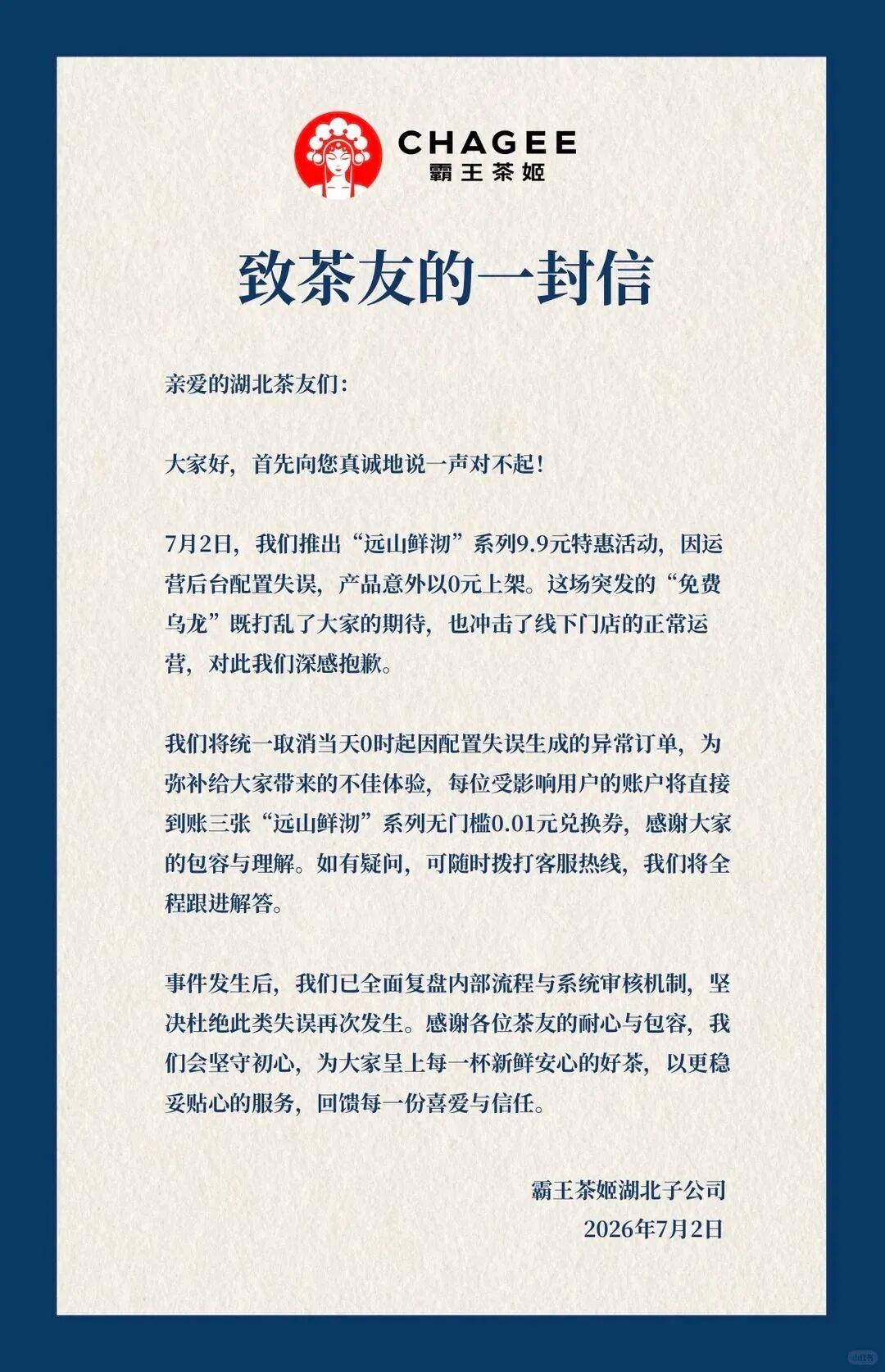
Chagee's online ordering mini program suffered a system abnormality in the early hours yesterday, causing the planned promotional drinks in the Yuanshan Fresh Brew series to be displayed at 0 yuan by mistake. The issue drew a large number of orders and the sudden traffic caused the mini program backend to crash.
Chagee's Hubei subsidiary issued an official apology this morning. The company said the incident was caused by an operational backend configuration error, which accidentally listed a 9.9 yuan promotional product at 0 yuan.
For the free-order mishap, Chagee said all abnormal 0-yuan orders generated from midnight until the issue was fixed will be canceled. To compensate users, Chagee will issue three 0.01 yuan no-threshold exchange coupons for the Yuanshan Fresh Brew series directly to each affected user's account.
China Eastern makes widebody-flight Wi-Fi free from July 3
China Business News reported that China Eastern Airlines announced today that from July 3, 2026, in-flight Wi-Fi will be free on all widebody aircraft operated by China Eastern and Shanghai Airlines.
Under the rules announced by China Eastern, premium economy and economy passengers receive standard traffic, while business and first-class passengers receive high-speed traffic. China Eastern had already opened free internet access on all domestic routes and some international routes operated by widebody aircraft. This adjustment expands the service to domestic and international widebody flights.
U.S. retailers adopt AI to fight return fraud
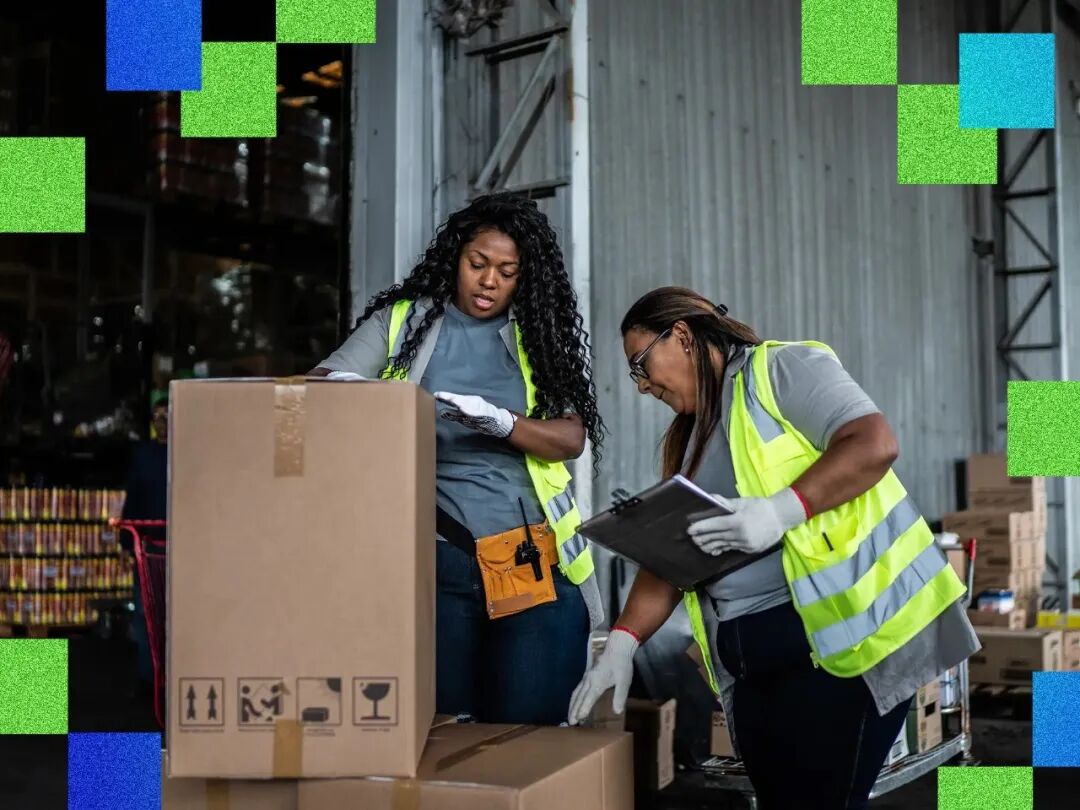
According to Business Insider, as return fraud becomes more sophisticated, U.S. retailers are accelerating their use of AI technology to address the challenge. A 2025 retail returns landscape report from the National Retail Federation and Happy Returns, a UPS company, shows that about 9% of returns are fraudulent.
Retailers are moving from traditional machine-learning tools to more advanced AI systems that identify label tampering, fake empty boxes, product swaps, and "wear-and-return" abuse.
Happy Returns COO Juan Hernandez-Campos said merchants can no longer rely solely on manual processing for rising return volumes. The company's Return Vision technology can detect incorrect product identifiers, label changes and material differences in real time.
AI can also analyze return frequency, geography and historical behavior to score risk, alerting human reviewers before refunds are issued for high-risk returns. Beyond fraud detection, AI is used to forecast return probability, optimize inventory transfers, and automatically decide where returned goods should go based on resale value.
Kill Bill: The Whole Bloody Affair scheduled for August 7

Quentin Tarantino's violent-aesthetic work Kill Bill: The Whole Bloody Affair has officially been scheduled for release in mainland China on August 7.
The film is a director's-cut compilation of the Kill Bill series, starring Uma Thurman and Lucy Liu. It combines the original first and second films and adds previously unreleased new footage while preserving the classic content.
The story follows the female assassin known as The Bride, who is betrayed and nearly killed at her wedding, survives, and begins a bloody revenge journey across the world.
Animated film Go to Your Island scheduled for August 19, Qixi Festival

The animated film Go to Your Island, adapted from Fan Dawang's novel of the same name, was officially scheduled yesterday for nationwide release on August 19, the Qixi Festival.
The film follows Wang Jiexiang, who is guided by a mysterious paper crane to a fantasy island built from memories, beginning a healing journey about deep love, missed chances and reconciliation.
The film is directed by Zhou Haoran, with Mei Qiongyu and original author Fan Dawang as screenwriters. As a fantasy animation, it uses a distinctive visual style to present the landscape of the memory island and carry the complex emotional bonds between the characters.

Editorial team
Product Team @ WebCal
The official product team behind WebCal. We build high-performance computing infrastructure and decentralized cloud solutions.