Cook Says Apple Price Increases Are Inevitable / WeChat Pay Launches an AI Card / Samsung and SK Hynix Staff Drive Luxury Spending
TL;DR
Tim Cook says Apple price increases are inevitable, WeChat Pay launches an AI card, and Samsung and SK Hynix bonuses fuel housing and luxury spending in Korea.
📈 Cook says Apple product price increases are inevitable
📱 Second-generation iPhone Air reportedly coming next spring with camera and battery upgrades
🖥️ Samsung and SK Hynix employees are buying homes and luxury cars, pushing up consumer prices in Korea
💰 WeChat Pay officially launches an AI dedicated card
💳 Shanghai Stock Exchange issues guidance: large model companies need at least one scaled product application to list
🤖 ByteDance is reportedly negotiating to buy at least 50,000 Iluvatar CoreX inference GPUs
🌚 Tesla roof protest defamation retrial request is rejected
💼 WAIC 2026 set to open in Shanghai on July 17
🎥 Meta CTO says morale is near an all-time low
💡 Luo Jianlan says embodied intelligence cannot simply copy the development path of large language models
👓 Snap launches SPECS AR glasses at $2,195
👓 XREAL AURA XR glasses officially unveiled
🔧 Qualcomm launches Snapdragon Reality Elite flagship XR chip
👋 Robotera launches XHAND 1 PRO dexterous hand with 21 direct-drive degrees of freedom
📷 Meitu Imaging Festival unveils eight AI imaging products and MiracleVision V6
🖼️ Zhipu open sources GLM-5.2, focusing on 1M context and long-horizon coding tasks
Cook says Apple product price increases are inevitable

According to The Wall Street Journal, Apple CEO Tim Cook said in an interview that price increases for Apple products have become inevitable because memory supply remains tight and costs continue to rise.
Cook said Apple has been trying to absorb price pressure from the supply chain and avoid passing costs on to consumers, but the current situation has become difficult to sustain.
Cook did not disclose the timing, scale, or affected product lines. The report said Apple next major product launch may come in September, when the iPhone 18 series could face higher prices. The iPad and Mac lines may also be affected earlier.
The report said rising demand for memory and storage chips from AI companies has pushed component prices higher and intensified supply shortages. TechInsights estimates that if Apple wants to maintain current margins, the iPhone 18 Pro may need to rise by about $270, or roughly RMB 1,820.
Cook said Apple will use cash to increase memory supply, but it will not build its own memory and storage factories.
Second-generation iPhone Air reportedly coming next spring with camera and battery upgrades

According to Bloomberg, Apple is preparing the second-generation iPhone Air and plans to launch it next spring. The new model has the internal codename V62 and has entered advanced internal testing at Apple.
People familiar with the matter said the most notable change is the addition of an ultra-wide camera, moving the phone from a single-camera setup to a dual-camera setup. Battery life will also be improved, while the exterior design will continue the current look.
It is still unclear how the battery improvement will be achieved. The extremely thin Air body leaves limited room for a larger battery, so efficiency gains may be the main path. On the chip side, the phone is expected to use a derivative version of the A20 Pro, the same processor used in Apple high-end iPhone 18 lineup this fall.
The report also said Apple will release only high-end products this fall, including the iPhone 18 Pro, Pro Max, and its first foldable iPhone. Next spring, the standard iPhone 18 will arrive alongside the new Air.
Samsung and SK Hynix employees are buying homes and luxury cars, pushing up consumer prices in Korea
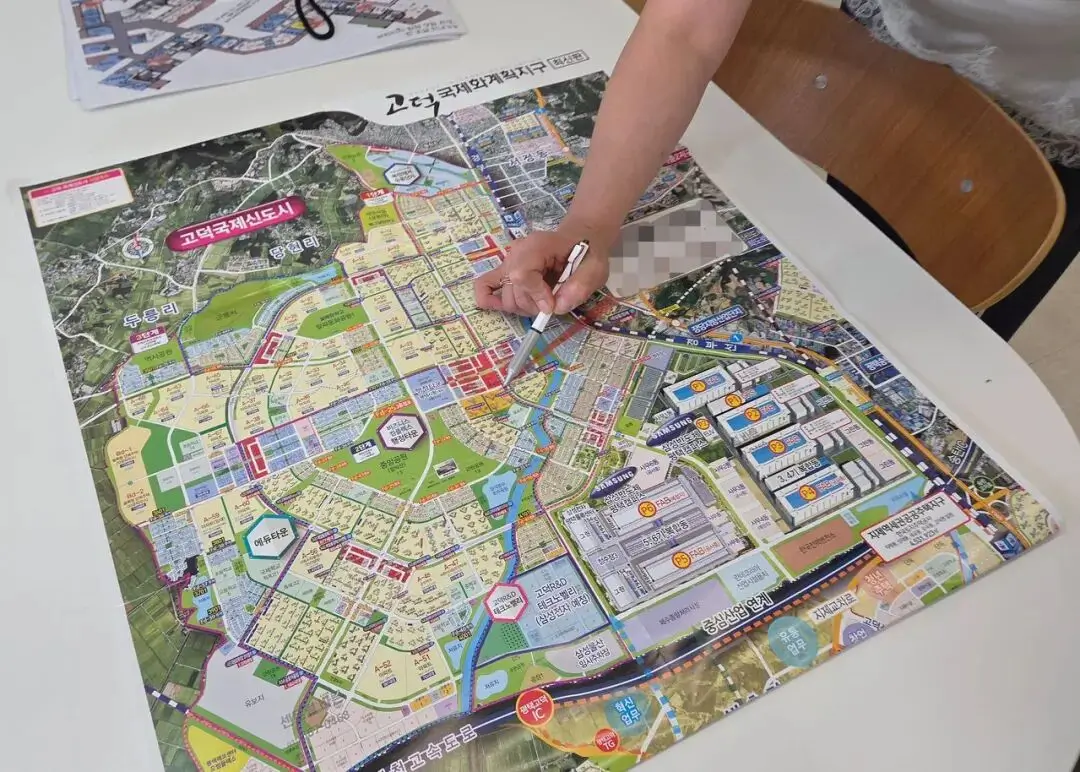
According to South Korea JoongAng Ilbo, strong AI semiconductor demand has led Samsung Electronics and SK Hynix employees to receive performance bonuses worth hundreds of millions of won, driving higher-end spending on homes, imported cars, and watches in southern Gyeonggi Province.
The report said some apartment prices have risen by 100 million to 200 million won, while some department stores have begun offering boutique fast lanes, parking coupons, and dining vouchers to employees from the chip sector.
Dongtan, near Samsung Electronics Hwaseong and Pyeongtaek campuses as well as the Yongin semiconductor cluster, has become a housing hotspot. Data from South Korea Ministry of Land, Infrastructure and Transport transaction system showed that in early June, an 84-square-meter apartment in Dongtan Station Lotte Castle sold for 2.225 billion won, about RMB 9.9235 million, setting a new record.
Consumption is also heating up. The report said sales at a Shinsegae department store branch rose 16.2% year over year in May, with jewelry and watch categories rising 120% and 60%. During the same period, Hyundai Department Store Pangyo sales rose 44.7%, and Lotte Department Store Dongtan sales rose 30%.
WeChat Pay officially launches an AI dedicated card
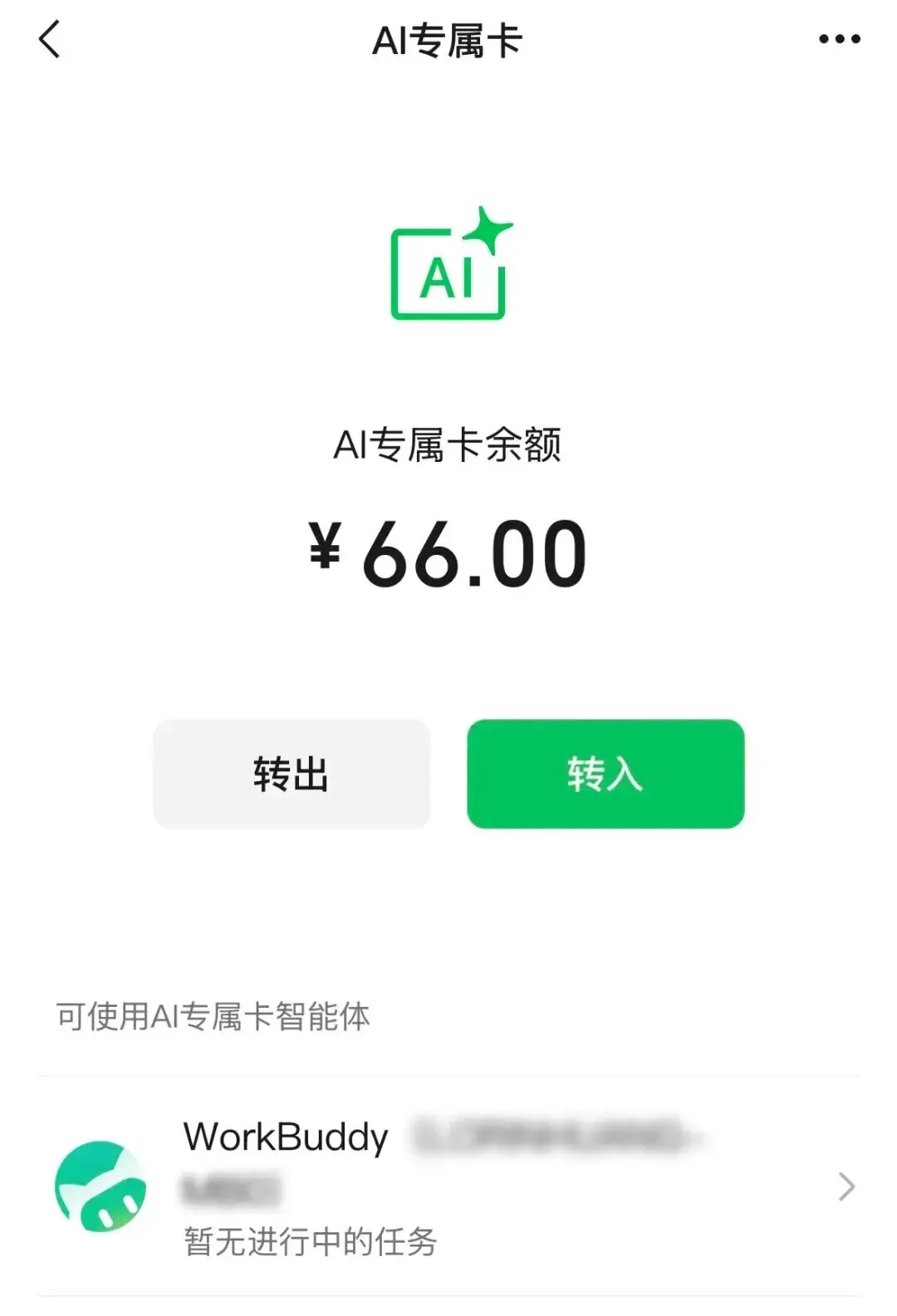
WeChat Pai announced yesterday that WeChat Pay has launched an AI dedicated card. Users can describe spending needs inside an Agent conversation, and the agent can complete recommendation, ordering, and checkout flows.
The feature is currently available in WorkBuddy. After upgrading WorkBuddy for Mac to version 5.1.1, users can summon the Meituan Life Assistant from the Experts page and use the AI dedicated card to buy group deals and redeem them in store.
WeChat Pay designed the card as an Agent spending card isolated from the main account. Users can transfer money in and out of the card. Spending in Agent scenarios can only use the dedicated card balance. Each transaction still requires final authorization from the user, and AI cannot directly use money from the main account.
Shanghai Stock Exchange issues guidance: large model companies need at least one scaled product application to list
According to Cailian Press, the Shanghai Stock Exchange yesterday officially issued the Guidelines No. 10 on the Application of Issuance and Listing Review Rules of the Shanghai Stock Exchange, covering artificial intelligence large model companies applying the fifth listing standard of the STAR Market. The guidance further clarifies requirements for AI large model companies seeking a STAR Market listing.
The guidance focuses on key conditions for large model companies using the fifth STAR Market listing standard. It requires issuers to have at least one large model product already launched and deployed at scale when they file. The exchange said this requirement can serve as important verification that the large model product has a feasible business model and commercialization capability.
The guidance also defines the issuer main business as independent research and development of AI large models, model services, or model applications. Both general-purpose large models and industry-specific models can apply.
The Shanghai Stock Exchange said that under the guidance of the China Securities Regulatory Commission, it will continue to advance listings of AI large model companies that meet the standards on the STAR Market.
ByteDance is reportedly negotiating to buy at least 50,000 Iluvatar CoreX inference GPUs
According to Yicai, ByteDance is discussing the purchase of at least 50,000 AI chips from Iluvatar CoreX, mainly for large model inference workloads. The chips under discussion belong to Iluvatar CoreX Zhikai series cloud inference GPUs. If the transaction is completed, Iluvatar CoreX would become ByteDance third GPU supplier after Huawei and Cambricon.
The report also said ByteDance is splitting its training and inference supply chains. Large model training uses Huawei Ascend and high-end Cambricon training cards, while online concurrent inference scenarios such as Doubao and enterprise MaaS are introducing dedicated inference GPUs.
Tesla roof protest defamation retrial request is rejected
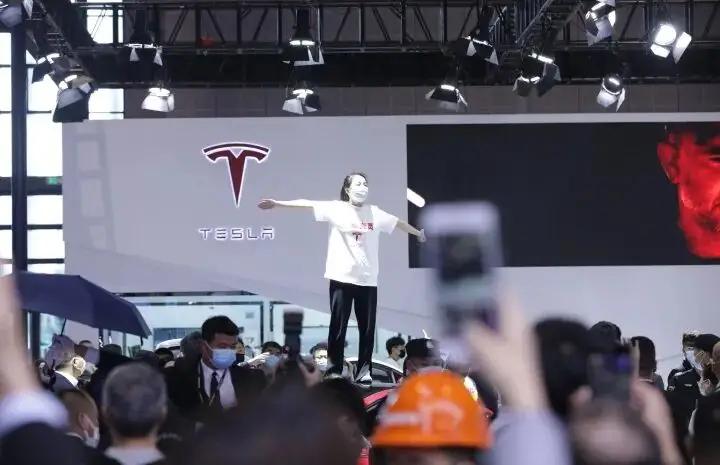
According to Jiemian News, the Shanghai High People Court recently rejected retrial applications filed by Ms. Zhang, a party in the 2021 Shanghai Auto Show roof protest, and another person surnamed Feng in a defamation dispute.
The ruling showed that the court found Zhang claim that Tesla brakes failed lacked objective factual basis. Her extreme public actions to spread the claim exceeded the reasonable boundary of consumer supervision and criticism and constituted defamation. The first- and second-instance judgments had clear facts and correct application of law, and the retrial grounds were not established.
The first-instance judgment was issued in May 2024. The court found Zhang liable for defamation, ordered her to make a public apology in designated media, and ordered compensation of RMB 172,000 for Tesla economic losses and reasonable rights-protection expenses. The court also found that Feng organized and planned the incident, ordering a public apology and RMB 250,000 in compensation. Shanghai No. 2 Intermediate People Court upheld the original judgment in July 2025.
WAIC 2026 set to open in Shanghai on July 17

The 30-day countdown press conference for the 2026 World Artificial Intelligence Conference and High-Level Meeting on Global AI Governance was held in Shanghai yesterday. This year conference will take place in Shanghai from July 17 to 20 across the World Expo, Zhangjiang, and West Bund venues, under the theme Intelligent Partners, Creating the Future Together.
The conference plans to host more than 140 themed forums, gather over 1,400 international guests, cover more than 100,000 square meters of exhibition space, and feature over 1,100 global companies. It will present more than 3,000 exhibits and, for the first time, set up a dedicated OPC exhibition area with 180 companies participating.
The conference also launched its first AI-native platform, the Hi WAIC app, integrating intelligent events, supply-demand matching, vertical content, community networking, think tank data, and tiered membership features. Registration and ticketing are now open.
Meta CTO says morale is near an all-time low

According to Business Insider, Meta CTO Andrew Bosworth acknowledged in the internal program Tuesday with Boz that current employee morale may not be the worst in 20 years, but it is close.
The report said Meta has gone through 10% layoffs and internal AI project adjustments over the past year, with about one-tenth of employees reassigned to AI model training. Many employees compared forced transfers into AI task forces to being drafted and said the actual work is closer to data labeling.
Meta management has begun measures to improve morale. Bosworth sent a memo to all employees this Monday saying the company should become the best platform for top talent to do their best work. The company also allowed employees transferred to AI task forces to reapply for internal roles and increased budgets for travel, team-building, and employee snacks.
Luo Jianlan says embodied intelligence cannot simply copy the development path of large language models

According to 36Kr, Luo Jianlan, associate professor at Shanghai Innovation Institute and chief scientist at Agibot, said in an interview that embodied intelligence cannot simply copy the development path of large language models.
Luo emphasized the importance of real training data. He said many so-called robot foundation models in the industry today are closer to task adaptation, mid-training, or fine-tuning on open-source bases, and have not yet entered a pretraining phase driven by massive heterogeneous real interaction data.
Luo core view is that falling offline training loss in robotics does not necessarily translate into higher success rates in real deployment. The scaling law for large language models is built on a relatively stable statistical relationship between pretraining loss and capability.
Robots face an open physical world involving contact, disturbance, long-tail scenarios, hardware differences, and task feedback. Fitting static data does not mean being able to handle reality.
True pretraining for robot foundation models should, like LLMs, absorb extremely broad data, including noisy data. Robotics data comes from real-world interaction, failure, correction, recovery, and long-tail scenarios.
Snap launches SPECS AR glasses at $2,195
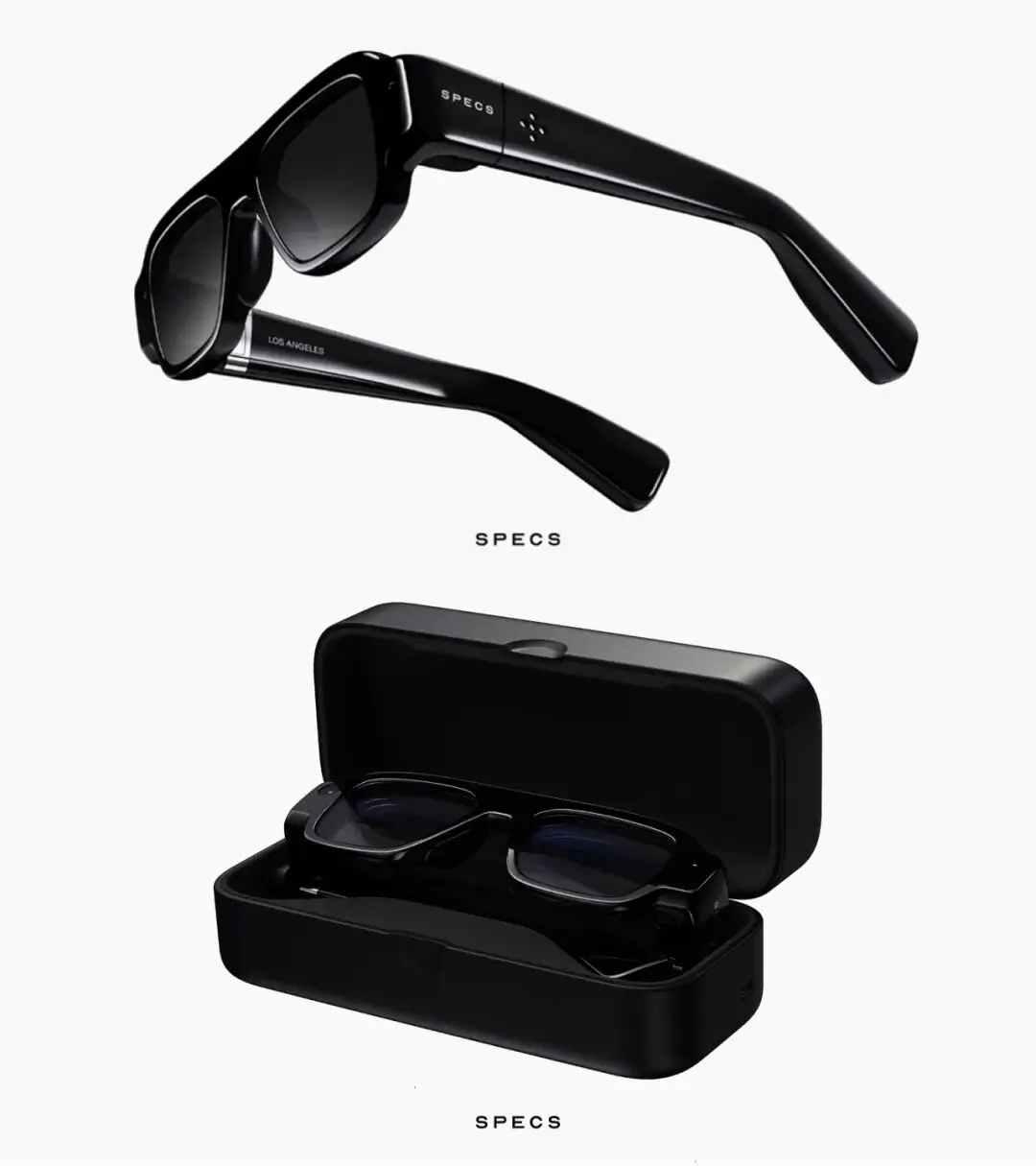
Snap yesterday launched SPECS AR smart glasses, priced at $2,195, about RMB 14,800. They are expected to launch first in the United States, the United Kingdom, and France this fall.
The frame uses Swiss TR90 polymer material and comes in 47 mm and 52 mm sizes, weighing 132 grams and 136 grams respectively, with detachable lenses. It uses Snap self-developed silicon-based liquid crystal display technology, offers a 51-degree field of view, and can present 16 million colors. It carries two Snapdragon processors, one for computer vision and one for running Lens AR applications, with latency as low as 7 milliseconds. It supports navigation guidance, spatial measurement, an AI assistant, privacy display, whiteboard, screen casting, and hundreds of Lens apps. Battery life reaches up to 4 hours in combined use, while the included charging case provides four additional charges, for up to 20 hours total.
For privacy, SPECS asks for user consent before accessing sensitive information. The LED indicator on the frame automatically lights up during recording, and data is processed locally on the device first where possible.
Snap also announced new tools for the SPECS developer ecosystem. Lens Studio now introduces agent-assisted development for SPECS Lens apps, along with SPECS Spatial Benchmark, Migration Agent, and a native development kit to help developers build, test, and migrate AR applications.
XREAL AURA XR glasses officially unveiled

XREAL yesterday officially unveiled XREAL AURA. The product is a next-generation spatial computing glasses device built by XREAL with Google and Qualcomm, presenting high-performance spatial visuals and AI interaction in a lightweight glasses form.
It offers a field of view up to 70 degrees, weighs under 95 grams, and uses OST optical see-through design. Multiple sensors are placed on the outside of the frame to support hand tracking, 6DoF tracking, and multimodal AI experiences. It uses a split dual-chip computing architecture. A dedicated spatial computing unit is powered by Qualcomm Snapdragon Reality Elite platform. It integrates XREAL self-developed X1S spatial computing chip to support low-latency spatial display and assist sensor processing. It is deeply integrated with Google Android XR and powered by Gemini.
The product is planned to launch first in the United States, the United Kingdom, Japan, Canada, and South Korea in fall 2026, before expanding to Europe and more markets.
Qualcomm launches Snapdragon Reality Elite flagship XR chip

Qualcomm yesterday launched the Snapdragon Reality Elite flagship XR chip for AI glasses, mixed reality headsets, and Android XR devices. Qualcomm said the new platform improves GPU performance by up to 60%, CPU performance by up to 30%, and NPU performance by up to 160% compared with the previous-generation XR platform.
The platform supports 4.4K display per eye at 90 fps and can run 3-billion-parameter language models at up to 45 tokens per second. Qualcomm said it will improve head and hand tracking, passthrough display, and on-device AI interaction.
Robotera launches XHAND 1 PRO dexterous hand with 21 direct-drive degrees of freedom
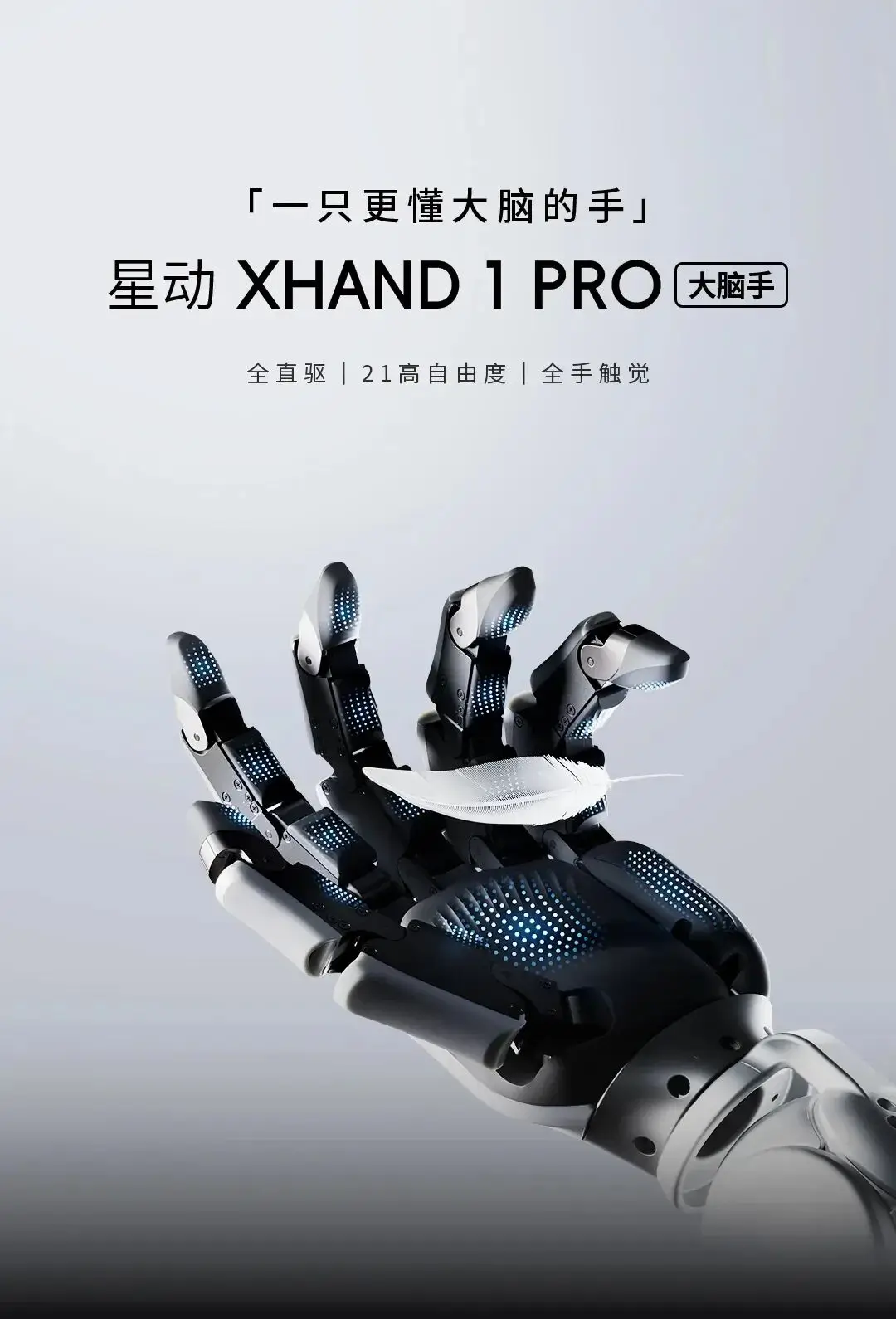
Robotera yesterday launched XHAND 1 PRO, a dexterous hand positioned for robotics research, data collection, and scenario deployment. The product uses a 21-degree-of-freedom direct-drive design, has an independent degree of freedom on the side palm, supports a maximum five-finger spread angle of 135 degrees, and has a maximum envelope grasp diameter above 160 mm.
The hand carries 18 distributed tactile sensors covering fingertips, finger pads, and palm, sensing X, Y, and Z three-dimensional forces. The pressure measurement range is 0.1N to 25N, with 0.01N resolution and support for 10 mm proximity detection. The product weighs 0.884 kg, measures 210 mm by 102 mm by 44 mm, has fingertip force of 15N, and repeats opening and closing more than 5 times per second.
For development and integration, XHAND 1 PRO supports 24V to 72V wide-voltage input, is compatible with EtherCAT, RS-485, and CANFD communication protocols, provides C++, Python, and ROS 2 SDKs, and supports teleoperation solutions including VR headsets, motion-capture gloves, and exoskeleton gloves.
Meitu Imaging Festival unveils eight AI imaging products and MiracleVision V6
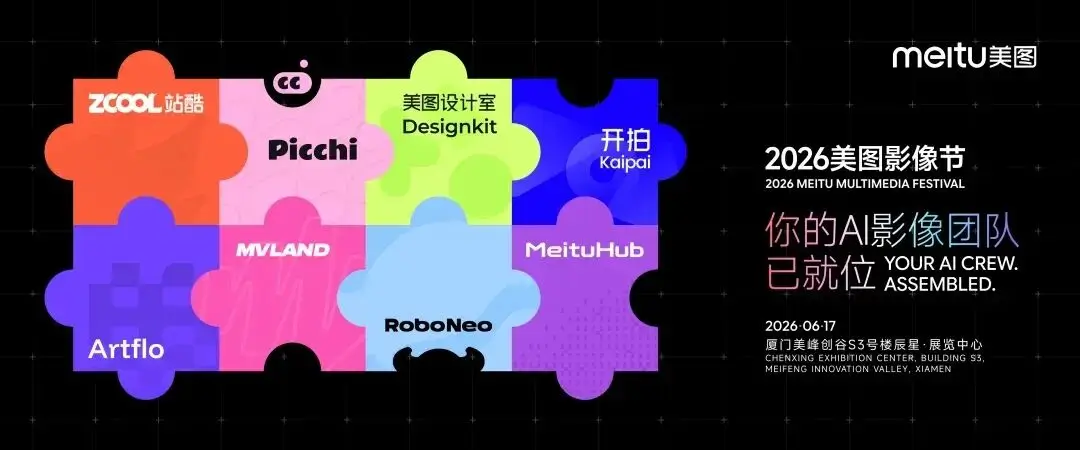
Meitu yesterday unveiled eight products at the 2026 Meitu Imaging Festival, covering design communities, portrait retouching, commercial design, talking-head videos, conceptual imagery, music videos, AI short dramas, and enterprise imaging workflows.
Picchi is positioned as a portrait retouching product. It can learn a user existing retouching style, support batch fine retouching, and customize retouching models based on creator styles. Meitu Design Studio introduced AI Team, including 4 professional agents and more than 70 skills for e-commerce, brand, and social media scenarios. Kaipai AI Assistant focuses on talking-head video creation and provides agents for tracking trends, planning, generating materials, reviewing edits, and managing assets.
For more professional imaging creation, Meitu also released Artflo, MVLAND, RoboNeo, and MeituHub.
The new version of RoboNeo is positioned as a daily-update AI short drama team and will go online in August. MeituHub can build AI imaging production lines based on business needs, generating standalone web applications or embedding into existing workflows. Meitu MiracleVision V6 is based on a MoE architecture.
Zhipu open sources GLM-5.2, focusing on 1M context and long-horizon coding tasks
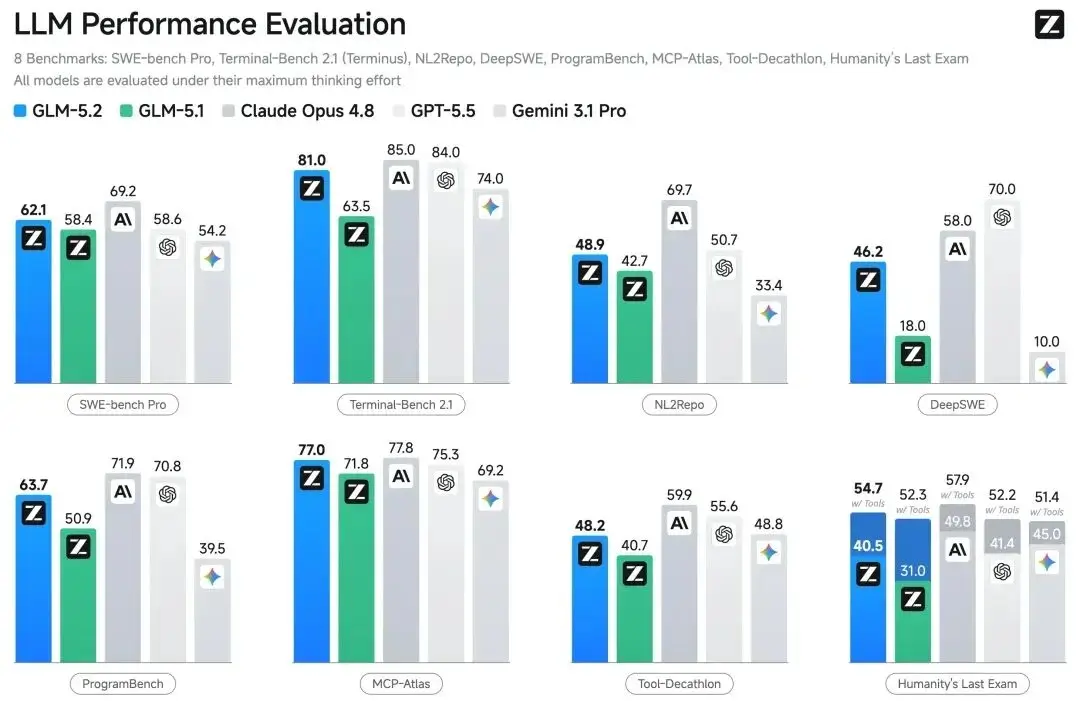
Zhipu yesterday announced the launch and open source release of GLM-5.2, a new model focused on coding and long-horizon tasks.
Zhipu said GLM-5.2 has 1M lossless context and is trained for coding agent scenarios such as automated research, performance optimization, complex systems engineering, and deep debugging.
In the FrontierSWE long-horizon task benchmark, GLM-5.2 Max 10 Hrs scored 72.6%, below Claude Opus 4.8 Max 20 Hrs at 74.4%, and above Claude Opus 4.7 Max 10 Hrs at 63.0%.
The model also introduces effort level controls for reasoning, allowing switching among capability, speed, and cost. On inference, Zhipu said GLM-5.2 has completed Day 0 adaptation across domestic compute platforms including Huawei Ascend, T-Head, Moore Threads, Cambricon, Kunlunxin, MetaX, Hygon, and Biren.
💻 GitHub: github.com/zai-org/GLM-5
🤗 Hugging Face: huggingface.co/zai-org/GLM-5.2
👾 ModelScope: modelscope.cn/models/ZhipuAI/GLM-5.2
🔗 Related reading: Hands-on GLM-5.2: after Claude 5 was shut down, can it reliably catch this wave of users?
Tencent Cloud Drive is coming, supporting Tencent ecosystem data interoperability and Agent calls
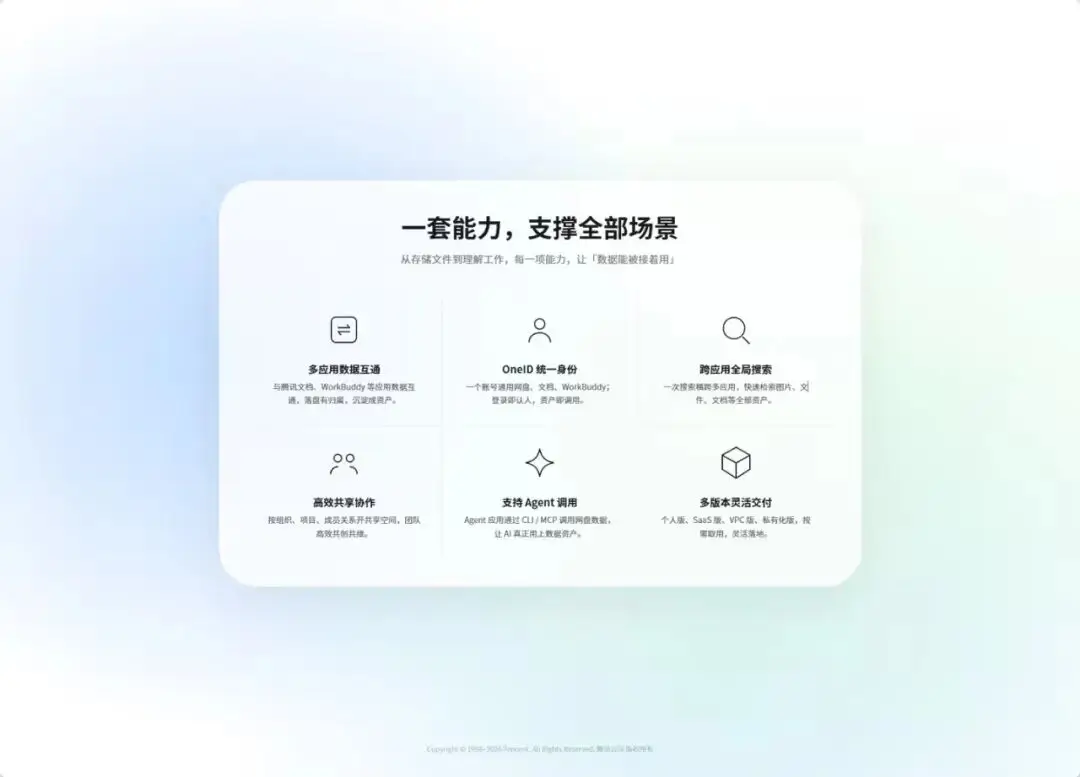
Recently, the Tencent Cloud Drive official website quietly went online. The product positioning has expanded from personal cloud storage to shared spaces organized around organizations, projects, and members, supporting interoperability with Tencent Docs, Weiyun, WorkBuddy, and other Tencent services.
The official website says Tencent Cloud Drive will provide data middle-platform capabilities for the AI era, supporting SaaS applications, CLI, and MCP access to data, while also allowing shared spaces to be managed by organization and project.
Tencent stopped renewing Weiyun memberships in 2021 and gradually stepped back from the personal cloud drive competition. This new product leans more toward enterprise documents, knowledge bases, and Agent data entry points.
Market regulator drafts new food delivery subsidy rules to curb irrational competition around subsidies and pricing
According to The Paper, the State Administration for Market Regulation drafted the Ten Rules on Regulating Food Delivery Platform Subsidy Behavior, a consultation draft, and opened it for public comment from yesterday through July 17. The aim is to regulate food delivery platform subsidy behavior and guide platforms toward lawful, compliant, and healthy competition.
The draft is based on laws and regulations including the Anti-Monopoly Law, Anti-Unfair Competition Law, Price Law, E-commerce Law, and Food Safety Law. It targets problems around food delivery platforms competing through subsidies, prices, and traffic control, and mainly covers four areas:
Overall principle: platforms may not use long-term or large-scale subsidies to exclude or restrict market competition or disrupt the competitive order. Specific requirements: platforms may not force merchants on the platform to join subsidy campaigns or bear subsidy costs, may not use capital advantages to conduct monopoly or unfair competition behavior, and may not sell goods below cost. Supervision measures: key information about subsidy campaigns should be publicly disclosed before and after implementation and be subject to public supervision. Legal risks: the draft reminds platforms that subsidy behavior must comply with relevant laws and states the legal consequences of illegal or non-compliant subsidy campaigns.
The regulator said it will further revise and issue the rules as soon as possible after reviewing feedback.
Yum China buys Pizza Hut China brand ownership for $1.2 billion
According to Caixin, on June 16, KFC and Pizza Hut parent company Yum! Brands reached a deal with Yum China. Yum China will acquire ownership of the Pizza Hut brand in China for $1.2 billion.
The report said Pizza Hut revenue and profit in China have both increased, while sales in Europe and the United States remain weak. After acquiring brand ownership, Yum China can gain greater long-term operating autonomy, while Yum! Brands sells regional brand assets to the local operator.
Sam China chief merchandising officer Zhang Qing resigns
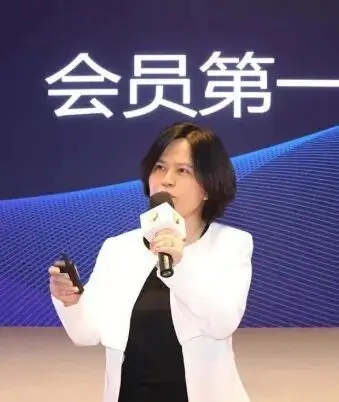
According to 36Kr, Zhang Qing, CMO and chief merchandising officer of Sam Club China, recently submitted her resignation. Walmart China responded that during the transition, Neil Maffey will serve as acting chief merchandising officer of Sam Club. He previously served as Sam chief merchandising officer from 2013 to 2017 and has long served as a full-time company consultant after leaving that role.
Zhang joined Sam Club in 2017 and became senior vice president and chief merchandising officer in 2018, responsible for product strategy and procurement management in China. This Monday, the State Administration for Market Regulation said it had recently summoned Walmart China leadership for talks after regulators and media reports identified repeated food safety problems in Sam offline stores and online shops.

Editorial team
Product Team @ WebCal
The official product team behind WebCal. We build high-performance computing infrastructure and decentralized cloud solutions.